Affordable In-Home Care for Seniors: Services, Funding, and Planning
By PPL on July 9, 2026
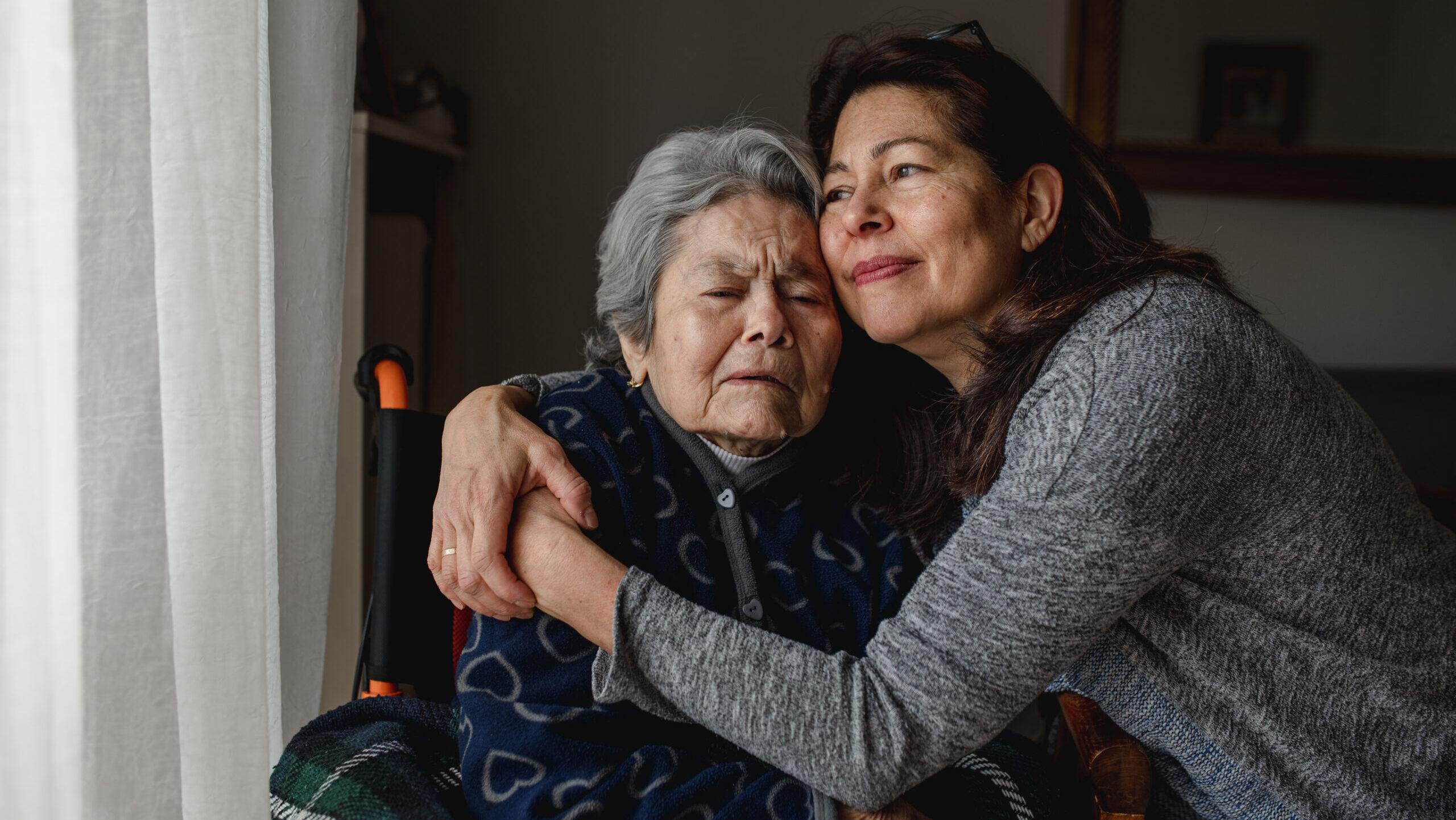
There is a lot of information out there about in-home care for seniors. Not much of it explains how most families will pay for it. Medicaid-funded programs cover a significant portion of home care costs for people who qualify, and many families do not realize they may be eligible until someone walks them through it.
What Is Affordable Home Care?
Affordable home care refers to support services that allow a senior to remain safely at home rather than moving to a nursing home or other care facility, at a cost that is manageable given their financial situation and available benefits.
There are two broad categories of in-home care services.
Home health care involves medically necessary care provided by licensed professionals, such as registered nurses, physical therapists, or home health aides. These professional services are tied to a specific medical need and are typically prescribed by a physician.
Nonmedical home care services cover the day-to-day support that helps someone stay safe and independent at home. This includes help with personal care tasks like bathing, dressing, and grooming, assistance with daily activities like meal preparation, light housekeeping, and transportation to appointments, and supervision or companionship for those who should not be left alone for extended periods.
Together, these senior care services allow older adults to receive the support they need without leaving their home or community. Most families need some combination of both, though the mix depends heavily on the individual’s health status and level of independence.
Funding Options for In-Home Care
Cost is often the first barrier families run into. Understanding what funding sources are available, and which ones apply to your situation, is where the planning has to start.
Medicaid and Home and Community-Based Services
For seniors who qualify based on income and functional need, Medicaid is often the most significant source of funding for in-home care. Most states offer Home and Community Based Services (HCBS) programs, which are specifically designed to help people receive care at home rather than in an institutional setting.
These programs are structured as Medicaid waivers in most states, meaning the federal government has granted the state permission to use Medicaid funding for home-based care. Program names, eligibility requirements, available services, and how budgets are structured all vary significantly by state.
Many of these programs include a self-directed care option. Self-directed care gives participants real control over who provides their support and when. Rather than having a care agency assign a worker, you choose your own caregiver, which can include a family member or friend who is already helping. You set the schedule. You manage the relationship. For many seniors, this means more consistent, comfortable, and effective care.
Are you or your loved one already enrolled in Medicaid? See if your state offers an HCBS program with a self-direction option.
Medicare Home Health Benefits
Medicare covers home health care services, but only under specific conditions. To qualify, a person must be considered homebound, must have a skilled care need, and must have a physician certify that the care is medically necessary. Covered services can include skilled nursing visits, physical therapy, and home health aide services, but only when they accompany skilled care. Medicare also covers short-term care in a skilled nursing facility following a qualifying hospital stay, though this is time-limited and not a long-term solution.
Medicare does not cover ongoing personal care or nonmedical services on their own. It is not designed to fund long-term in-home support, so families relying on Medicare alone will find significant gaps in coverage.
Some seniors have private health insurance through a Medicare Advantage plan rather than traditional Medicare. Medicare Advantage plans are required to cover the same services as original Medicare, but some plans offer additional home care benefits beyond what traditional Medicare provides. If your loved one is enrolled in a Medicare Advantage plan, check the plan’s summary of benefits or call the insurer directly to find out what home care services are covered.
Long-Term Care Insurance
Some seniors have long-term care insurance policies that cover home care services. Benefits, waiting periods, and covered service types vary considerably by policy. If you or a loved one has a policy, contact the insurer to request a complete description of in-home care benefits and how to file a claim. A financial counselor or elder law attorney can help you interpret policy language and make the most of available benefits.
Veterans Benefits
Veterans and surviving spouses may have access to VA programs that help cover in-home care. The VA Aid and Attendance benefit, for example, provides additional pension income to qualifying veterans who need help with daily living activities. Eligibility depends on service history, income, assets, and care needs. Contact your regional VA office or a Veterans Service Organization for guidance on what you or your loved one may qualify for.
Medicaid Self-Directed Care
For seniors who qualify for Medicaid, self-directed care through an HCBS program is often the most flexible and affordable home care option available. It is worth understanding how it works.
In a traditional agency model, a provider agency controls who comes to your home. In a self-directed model, you are the employer. You choose your caregiver, set their hours, and direct the work. The cost of that caregiver’s wages is covered through a Medicaid-funded budget.
The administrative side of self-direction, including payroll, employment taxes, enrollment paperwork, and compliance, is handled by a Financial Management Services (FMS) provider. This is important because it removes a significant burden from participants and families. You focus on choosing the right person and building a schedule that works. The FMS provider handles the paperwork and makes sure your caregiver gets paid correctly and on time.
Because you can hire someone you already know and trust, self-directed care often results in more consistent support, fewer disruptions, and a stronger sense of comfort and safety at home. Building a compassionate team around your loved one, one that understands their routines, preferences, and needs, is one of the clearest ways self-direction improves the quality of care a person receives.
Resources
Beyond Medicaid and federal programs, there are community-level resources worth exploring.
Area Agencies on Aging (AAAs) are federally funded local organizations that help older adults access services in their communities. They can connect you with programs for meal delivery, transportation, caregiver support, legal assistance, and more. Many also offer information and referral services that can help you navigate what is available in your area.
Find your local AAA through the Eldercare Locator at eldercare.acl.gov.
State Medicaid offices can tell you what HCBS programs are available in your state, what the eligibility requirements are, and how to apply.
Social workers at hospitals, rehabilitation centers, and community health organizations are also valuable resources when you are trying to put together a care plan, especially following a health event or hospitalization. These and other professionals, including care coordinators and benefits counselors, can help identify other services that may be available in your area and connect you with the right programs.
Planning for Care
Putting together a care plan does not have to happen all at once, but it helps to work through a few key questions early.
Start by making a list of what daily activities your loved one needs help with, commonly referred to as Activities of Daily Living (ADLs). Having a clear picture of care needs makes it easier to identify what type of services are required and what level of Medicaid support might apply. Common ADLs to assess include:
- Bathing and personal hygiene
- Dressing and grooming
- Eating and meal preparation
- Mobility and moving between locations
- Managing medications
Next, gather information about current benefits.
- Is your loved one enrolled in Medicaid?
- Have they checked whether their state offers an HCBS self-direction program?
The basic requirements for these programs typically include meeting an income threshold and demonstrating a functional need for care, but specifics vary by state.
- Are there VA benefits in play?
- Is there a long-term care insurance policy?
Working through these questions in order will help clarify which funding sources apply before decisions about care providers are made.
If the situation is complex, particularly when significant assets, multiple benefit sources, or legal planning questions are involved, an elder law attorney or a geriatric care manager can help coordinate the moving parts.
Respite Care and Adult Day Care
Family members who provide informal care often carry a heavy load. Respite care provides temporary relief by bringing in a paid caregiver for a few hours or a few days, giving the family caregiver a break without disrupting the care routine.
In self-directed Medicaid programs, respite care is often a covered service, meaning a qualifying family member or other trusted person can be paid to provide it.
Adult day care programs offer structured daytime activities and supervision in a group setting outside the home. For seniors who benefit from social engagement and social activities or for families who work during the day, adult day care can be an effective complement to in-home support. Many programs are designed specifically for older adults and offer health monitoring, meals, and therapeutic activities. Some Medicaid programs cover adult day care as part of an HCBS benefit package.
Home Safety Basics
Understanding how in-home care enhances quality of life goes beyond services and funding. The physical environment matters too, and addressing home safety directly is one of the most practical ways to support a senior’s well-being and reduce the risk of injury.
A few practical steps can significantly reduce fall risk and support independence:
- Remove loose rugs and clutter from walkways
- Add grab bars near the toilet and in the shower or tub
- Improve lighting in hallways, stairways, and bathrooms
- Consider a medical alert system that allows your loved one to call for help quickly
- Use pill organizers or automated medication reminder tools to reduce the risk of missed or doubled doses
A home safety assessment, sometimes available through your state’s Medicaid program or through a local aging services organization, can identify specific modifications that would help. For seniors with more complex needs, specialized care providers or occupational therapists can evaluate the home and recommend targeted changes.
Is Self-Directed Care Right for You?
If you or a loved one might qualify for Medicaid’s self-directed care programs, the best first step is to find out what is available in your state. Every situation is different, and program options vary depending on where you live, what care is needed, and what benefits are already in place.
Take PPL’s short questionnaire to see what programs may be available in your state.
Take the QuestionnaireAbout PPL
Public Partnerships LLC (PPL) is a Financial Management Services provider that supports self-directed care programs across the United States. PPL works within Medicaid-funded programs to help participants manage the administrative side of self-direction, including payroll, taxes, and enrollment paperwork, so that families can focus on what matters most: getting the right care, from the right person, at home. PPL operates in approximately 50 programs nationwide and has supported more than 700,000 participant and caregiver relationships.