What Does It Really Mean to Be a Family Caregiver? Real Stories From the People Who Do It
By PPL on November 2, 2026
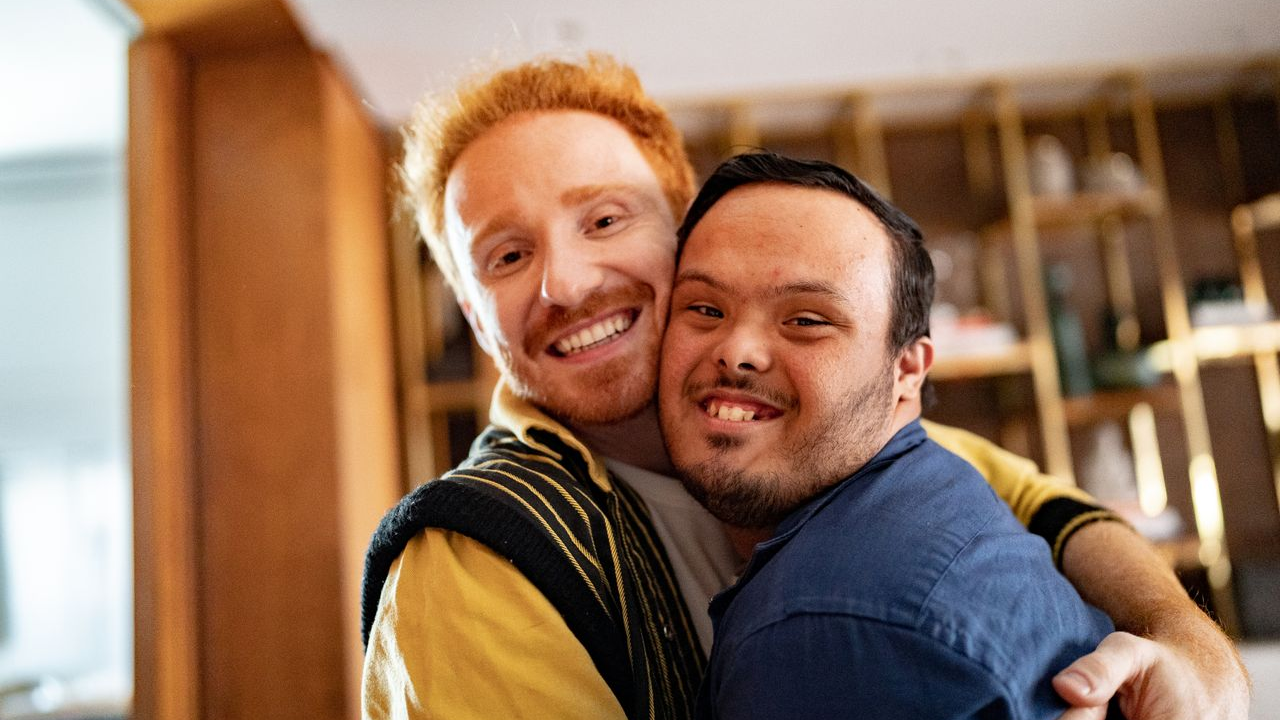
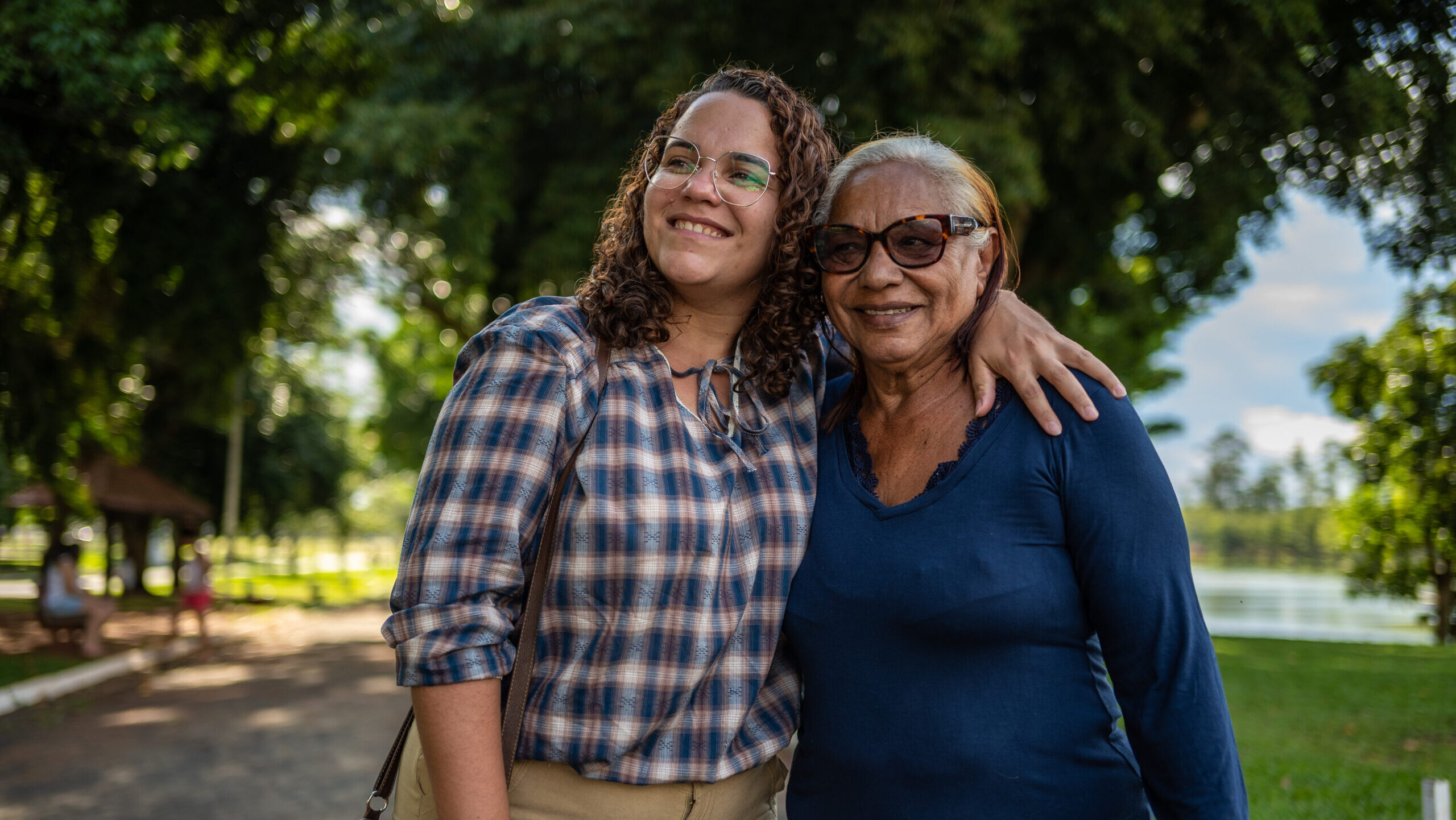
When you hear the word “caregiver,” who comes to mind? For a lot of you, it’s a daughter who stops by every morning, a brother who never misses an appointment, or a parent who has been in the role for years. For some, it’s a close friend who feels like family.
November is National Family Caregivers Month, so we wanted to hear from the people who do this work every day. We gathered five stories from our caregiver spotlights. These caregivers share what caregiving really looks like: the routines, the hard days, the small wins, and the bond that grows along the way.
What Is a Family Caregiver?
A family caregiver is someone who helps a loved one with the things that make daily life work. That might mean getting up and dressed, making meals, getting to appointments, or simply being there. Plenty of people do all of this without ever calling themselves caregivers.
In self-directed care, you choose and hire the people who support you, and in some programs that can be a family member. With agency care, a company assigns a worker. Here, you decide who comes into your home and when. These programs are for people who have been assessed as needing a hand with everyday tasks, so the support is there to help you stay safe and well at home. Which relatives qualify, and how it works, depends on your state and program.
Learn more about self-directed care and the emotional support benefits of in-home caregivers.
Real Stories From Family Caregivers
Melony: Caring for Her Mother
Melony helps her mom with the things she can’t do on her own: cooking, laundry, getting into the shower. She would have stepped in to help out no matter what. But when her mother’s doctor asked whether she knew Melony could get paid for the care she’d been giving for years, it landed differently. “It’s like ‘wow, somebody recognizes it,’” she says. Getting paid also means she doesn’t have to juggle her mom’s care with an outside job.
Read Melony’s Full Story →Ashley: Caring for Her Mother and Grandmother
For Ashley, caregiving started early. She looked after her father and grandmother when she was young, and in 2010 she made it her full-time work, caring for her mother after a stroke while continuing to care for her grandmother, who also lives in the home. Her days include meals, showering, dressing, errands, and keeping track of appointments. What keeps her going? “Seeing my Mom smile really motivates me. It makes me happy to share special moments and to give her a good day.”
Read Ashley’s Full Story →Faith: Caring for Her Brother
Faith became her brother Jeffrey’s caregiver in 2017, and she’s clear about why. “He’s my blood relative so I want to make sure that he’s well taken care of,” she says. “I’d rather take care of him than have someone else that I don’t know.” She helps with daily needs like bathing, eating, and moving around, and having family in the role means Jeffrey has consistency. It also means they can get out together. “If I want to do something, I can take my brother along with me and we can do it together and create memories.”
Read Faith’s Full Story →Ricky: Caring for His Son
When Ricky and his wife learned about self-direction in New Jersey, they were looking for care they could count on for their son Jason. His wife started as Jason’s caregiver in 2018, and Ricky retired early in 2020 to join her. Now their days are centered on Jason, with more peace of mind for the whole family. “Self-direction has the ability to completely change your life — it’s been an incredible blessing,” Ricky says. His only wish is that they’d found it sooner.
Read Ricky’s Full Story →Chun: Caring for His Daughter
Chun left the corporate world during the COVID-19 pandemic to become his daughter Anna’s caregiver. Now he handles her daily routine: preparing meals, driving her to her day program and medical appointments, and getting her to activities she enjoys. His wife is Anna’s designated representative, so it’s a team effort. Chun says the PPL Time4Care™ app makes the paperwork side easy. “It’s very interactive, has all the controls in place, and is very intuitive.”
Read Chun’s Full Story →Know a Family Caregiver Who Deserves a Thank-You?
We’d love to hear about your family caregiver! Nominate them by sharing a short thank-you message by Monday, November 23, 2026. Throughout November, we’ll spotlight messages on our social channels, and the family caregivers we feature will receive a small thank-you gift from us.
Nominate Your Family Caregiver →Frequently Asked Questions
It depends on the person, but it often includes help with daily routines like bathing, dressing, and meals, plus managing medications, transportation to appointments, and running errands. Just as important, family caregivers offer established trust and a familiar face, which can make a big difference in how someone feels at home.
In some self-directed care programs, yes. Which family members can be hired, and how pay works, depends on your state and program. If you’re curious about your options, our guide to self-directed care is a good place to start.
A family caregiver is usually someone you already know and trust, with a history that goes beyond the job. A professional caregiver is hired for the role, often through an agency. Many people value the familiarity and consistency of family care, but the right fit looks different for everyone.
Thank You, Family Caregivers
Whether you’re caring for a parent, a child, a sibling, or a cousin, you do so much, and it often goes unseen. Thank you for showing up.
Who We Are
We’re a financial management services (FMS) provider focused on self-directed care. We support roughly 50 self-direction programs across the country, and we’ve helped facilitate more than 700,000 participant and caregiver relationships. We take care of the administrative side of self-direction, including payroll, taxes, enrollment paperwork, and compliance, so you and your family caregiver can focus on what matters most.