In-Home Elderly Care Options: A Guide for Older Adults and Their Families
By PPL on May 11, 2026
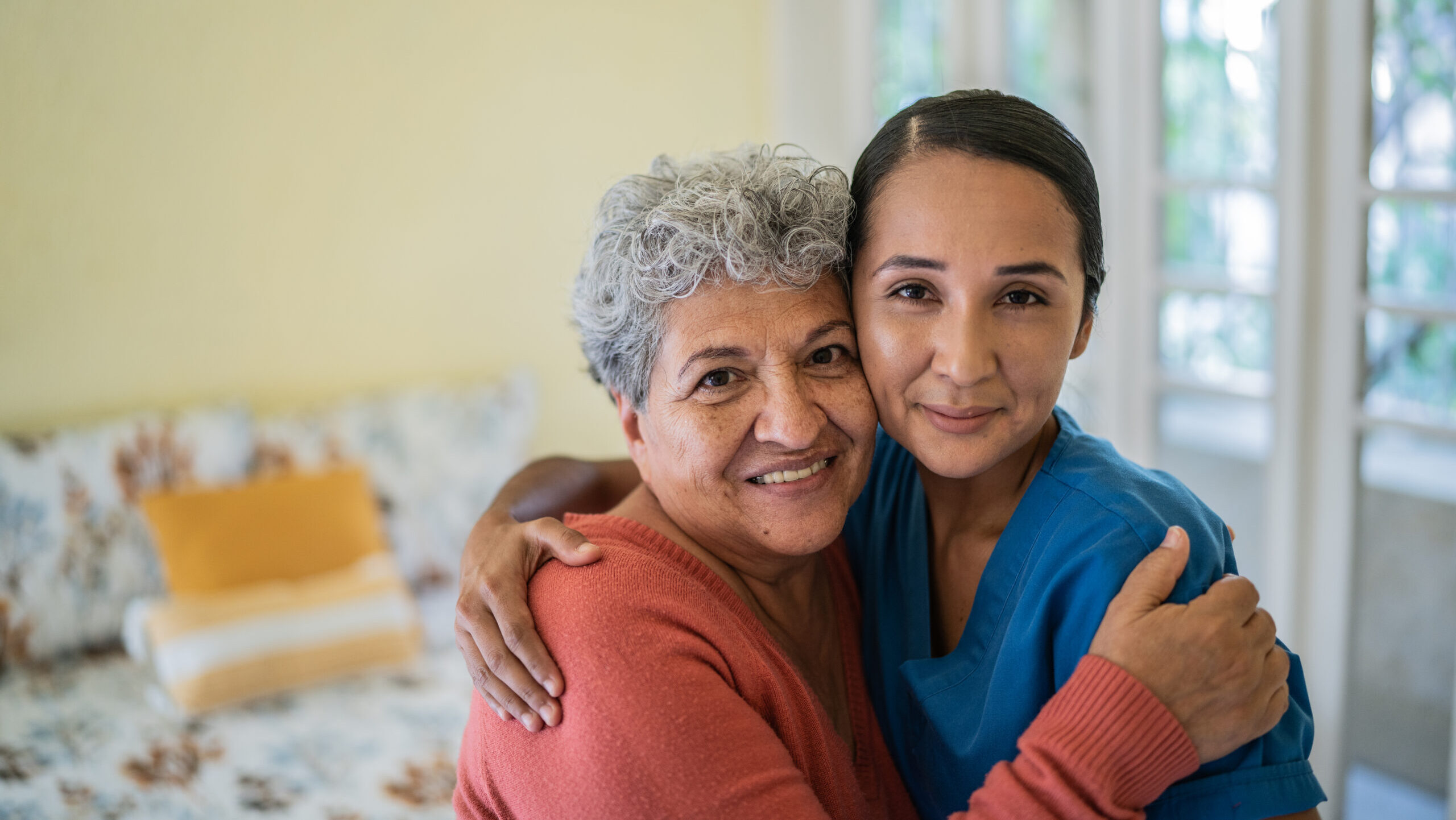
Deciding how to arrange care for an older adult is one of the more significant decisions a family can face. For many people, staying in their own home is the strong preference. The good news is that a wide range of in-home elderly care options exists to make that possible, regardless of the level of support needed.
This guide covers the main types of in-home care available to older adults, how each model works, how to find and evaluate providers, and how to pay for it, including options many families do not know about until they start looking.
Is In-Home Care the Right Fit?
Before exploring specific options, it helps to take stock of what is actually needed. A few questions worth working through with your family and a primary care provider:
- What daily living tasks are becoming difficult? Bathing, dressing, meal preparation, and medication reminders are common starting points.
- Is the home safe and accessible? Grab bars, lighting, and fall risks matter significantly as care needs increase.
- What are the preferences of the older adult? Their voice should drive the decision, not just the family’s convenience.
- Is the need primarily for companionship and daily support, or are there medical needs that require clinical care?
The answers shape which type of in-home care makes the most sense.
Types of In-Home Care for Older Adults
In-home care is not a single service. It spans a spectrum from light social support to skilled medical care, and the right fit depends entirely on the individual’s specific needs.
Companion Services
Companion services are non-medical visits focused on social connection and light support. A companion might share a meal, assist with recreational activities, help with light housekeeping, or provide transportation to appointments. For older adults who live alone, regular companionship plays a meaningful role in overall well-being and can help prevent the isolation that contributes to cognitive and physical decline.
Companion visits can be scheduled a few hours a week or more frequently depending on need. This is often the first type of in-home service families explore.
Personal Care Services
Personal care aides assist with the hands-on tasks of daily living: bathing, dressing, grooming, toileting, and mobility. These are non-medical services provided by trained aides rather than licensed clinicians.
Personal care can be arranged on an hourly basis for part-time support or as a live-in arrangement for older adults who need around-the-clock assistance. The structure depends on the individual’s care needs, home setup, and available funding.
Home Health Services
Home health care is medically oriented. It involves licensed professionals, including registered nurses, physical therapists, occupational therapists, and home health aides working under clinical supervision, delivering skilled care in the home.
Home health services are typically ordered by a physician and are appropriate after a hospitalization, surgery, or for managing a chronic medical condition. Common services include wound care, skilled nursing assessments, physical therapy, and medication management. Home health is distinct from non-medical home care, and knowing which one is needed matters both clinically and for understanding what insurance will cover.
Medicaid Self-Directed Care
For older adults who qualify for Medicaid, self-directed care is one of the most flexible and often overlooked in-home elderly care options available. Rather than having a home care agency assign a caregiver, the participant chooses their own, including a trusted family member or friend who is already providing support informally.
This model puts the older adult in control of their own care plan. They decide who helps them, when, and how. Because there is no agency overhead built into the cost, more of the Medicaid funding goes directly to the caregiver. For many families, this means the person who already knows and loves the older adult can be formally enrolled and paid for the care they are already providing.
Self-directed care is available through Medicaid Home and Community Based Services (HCBS) programs across the country. Program names, eligibility rules, and available services vary by state. Eligibility to hire certain family members also varies, so it is important to check what your state allows.
Dementia Care at Home
Older adults living with dementia have specific care needs that go beyond standard personal care. Effective dementia care at home typically involves caregivers with specialized training in communication, behavioral support, and safety supervision. Home modifications, such as securing exits and reducing fall hazards, are an important part of supporting someone with dementia safely in their own home.
When evaluating any care provider for a loved one with dementia, ask specifically about their training and experience with dementia-related behaviors.
Respite, Palliative, and Hospice Care
Respite care gives family caregivers a temporary break. It can be arranged for a few hours or several days and is available through some Medicaid programs as well as through community organizations. Caregiver burnout is a real risk, and building respite into a care plan protects both the caregiver and the person receiving care.
Palliative care focuses on comfort, quality of life, and symptom management for individuals living with serious illness. It can be provided at home alongside curative treatment.
Hospice care is a form of end-of-life care for individuals who are no longer pursuing curative treatment. Hospice can be delivered in the home and includes medical, emotional, and family support services. Medicare covers hospice for eligible individuals.
How to Find In-Home Care Providers
Finding reliable in-home care requires more than a quick search. Here are practical steps to locate and evaluate providers.
Start with your Area Agency on Aging. Every state has a network of Area Agencies on Aging (AAAs) that connect older adults and families to local services, including home care providers. The Eldercare Locator, a service of the U.S. Administration on Aging, is a free resource to find your local AAA by zip code.
Use Medicare’s care comparison tools. Medicare’s Care Compare tool allows families to search for and compare home health agencies, including quality ratings and inspection results.
Verify licensing and background checks. Any agency or provider should be able to confirm that caregivers have passed background checks and that the agency carries appropriate insurance. Ask directly and do not skip this step.
Ask about specialized care experience. If dementia care, wound care, or other specialized support is needed, ask providers specifically about their training and how they handle those situations.
Paying for In-Home Elderly Care
Understanding what funding is available is often the most urgent practical question for families.
Medicare covers short-term, medically necessary home health services following a qualifying event such as a hospitalization. It does not cover ongoing personal care or non-medical home care services. Many families are surprised to learn this when they start planning.
Medicaid is the primary public funding source for long-term in-home care, including personal care services and self-directed programs. Eligibility is based on income, functional need, and state-specific criteria. For older adults who qualify, Medicaid.gov is the starting point for understanding what programs are available in your state.
PACE programs (Program of All-inclusive Care for the Elderly) are available in some states and provide comprehensive care coordination for older adults who qualify for nursing home-level care but prefer to remain at home. PACE is jointly funded by Medicare and Medicaid.
Veterans benefits. Veterans and surviving spouses may qualify for VA programs that help fund in-home care, including the Aid and Attendance benefit for those who need assistance with daily activities.
Private pay and long-term care insurance. Families without access to public programs often pay out of pocket or draw on long-term care insurance policies. Costs vary significantly by geography, type of care, and hours needed.
Community Resources for Older Adults
In-home care does not have to carry the full weight of an older adult’s support needs. Community resources can fill important gaps.
Senior centers offer social programming, meals, and connections to local services. Adult day programs provide structured daytime support outside the home, which can reduce caregiver burden significantly. Home-delivered meal programs, including Meals on Wheels, support nutrition for homebound older adults. Local transportation services, often organized through AAAs or community nonprofits, help older adults get to medical appointments and maintain community engagement.
Social workers connected to hospitals, medical practices, or local aging services offices can help families identify and coordinate these resources.
Is Self-Directed Care Right for Your Family?
If the older adult in your life qualifies for Medicaid, or may qualify, self-directed care is worth a closer look. It is one of the in-home elderly care options that offers the most choice and control, and for many families, the most meaningful arrangement: care provided by someone who already knows and loves them.
Our self-direction questionnaire can help you find out whether you or a loved one may qualify.
Take the QuestionnaireAbout PPL
PPL (Public Partnerships LLC) is a Financial Management Services (FMS) provider that supports self-directed care programs across the United States. PPL handles the administrative side of self-direction, including payroll, employment taxes, enrollment support, and compliance, so participants can focus on their care rather than the paperwork.
PPL operates in approximately 50 programs nationwide and has supported more than 700,000 participant and caregiver relationships. Self-directed care is all we do.