Participant Spotlight: Maria
By PPL on June 25, 2026
A lot of people put us all in the same bubble: if you meet the level of care required for a nursing facility waiver, then you’re assumed to be incapable. You’re seen as a patient, not a person. And yet so many of us work, own our homes, and have families. We deserve that right to choose.
– Maria
Welcome to our Participant Spotlight Series, where we feature real stories of participants who are choosing self-direction.
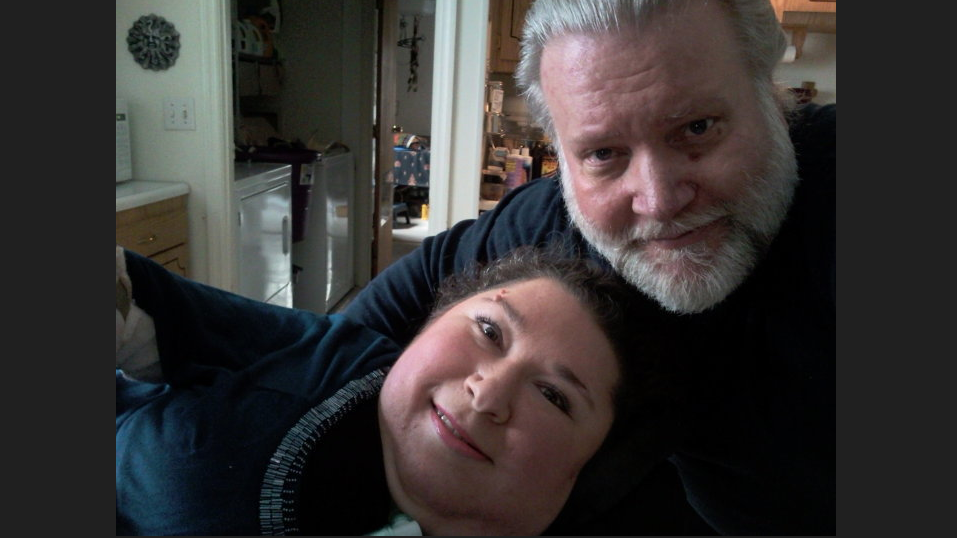
Maria Matzik has lived in Ohio for over 30 years and works as an education and advocacy specialist at a Center for Independent Living. She has been with her partner for just as long, and the two share a passion for cooking, animals, and disability rights, along with six indoor cats. She has Spinal Muscular Atrophy Type II, uses a ventilator, and gets around in a motorized reclining wheelchair. Maria has spent decades advocating for people with disabilities and the programs that allow them to live full lives in their communities.
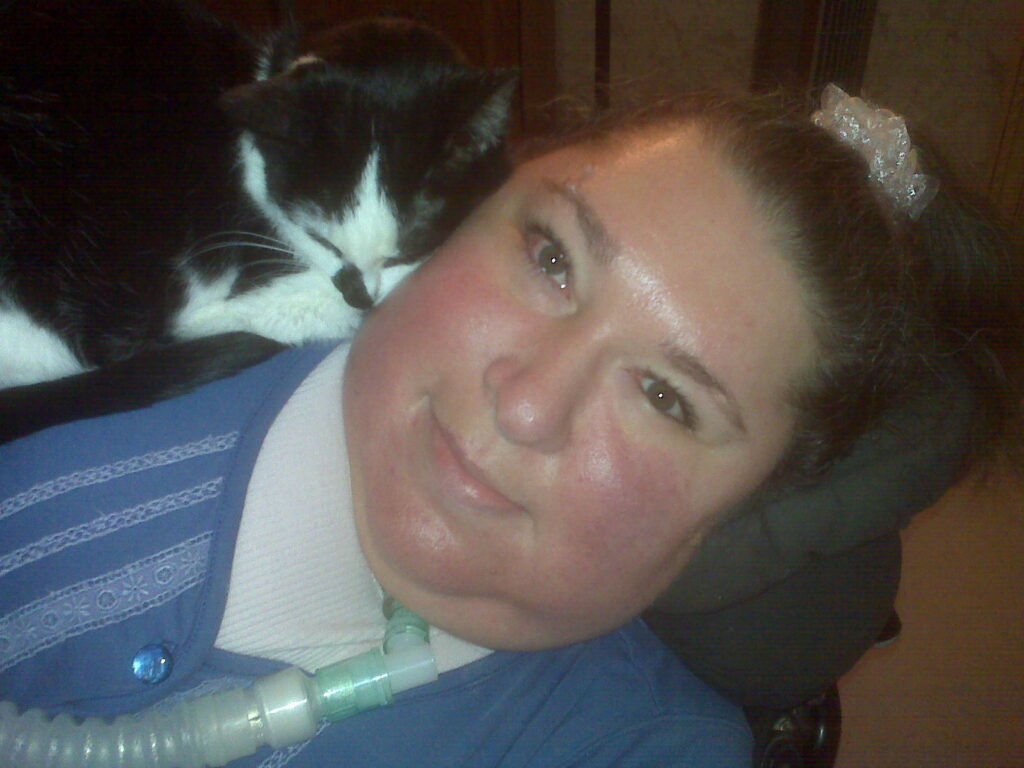
One pivotal moment in her advocacy work came the day she graduated from Wright State University in 1995, when Ohio’s Job and Family Services told her that without adequate care coverage, a nursing home was her only option in the state. She refused, and what followed was years of fighting for the right to remain in her community. She became one of the key voices behind Ohio’s Independent Provider program, testified at state hearings, and helped write the statute for the Ohio Medicaid Waiver Home Care Attendant Provider Type. She also co-founded Breaking Silences, an advocacy committee focused on disability issues in Ohio communities, with the goal of ensuring that people with disabilities have a place among those who make decisions that affect their lives.

Maria has five caregivers who help her manage her daily needs. She found her one self-directed caregiver through the Nextdoor app after the caregiver reached out, remembering an old post Maria had made about looking for support. The two spent months training together before enrollment went through last year. The difference self-direction makes, Maria says, comes down to flexibility. Under the waiver system, a caregiver arriving just 15 minutes late must notify the case manager of a schedule change. With self-direction, her caregiver has a pool of hours that can flex week to week without the extra paperwork.
For Maria, that kind of flexibility is something she has spent decades fighting for, and she wants others to know that self-direction did not come from the top down—it exists because people with disabilities fought for it. In a previously published story, Maria put it simply: “People with disabilities can be productive citizens, taxpayers, parents, spouses, and even your employer, given the options of appropriate services to achieve our maximum independence.” It is a belief that has guided everything she has done and continues to do.
Continue reading: More Participant Spotlights