Understanding Self-Directed Care in Florida: A Guide for Families and Caregivers
By PPL on August 28, 2026
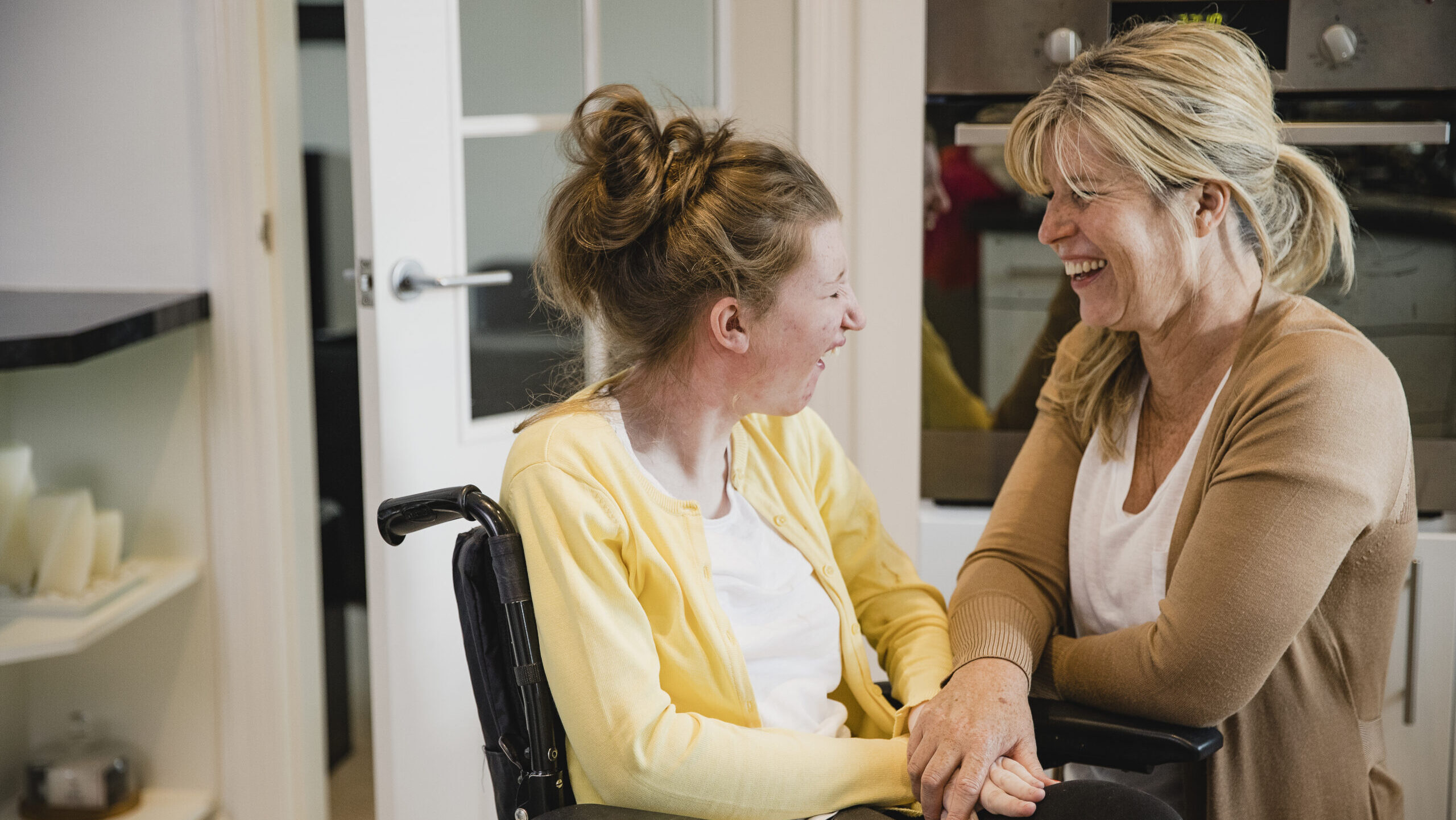
Getting help with daily care often comes with a tradeoff. An agency sends a caregiver to your home, decides who that person will be, and builds a schedule around what works for them, not necessarily for you. You may have little say in who walks through your door or when. For many families, this is simply accepted as how home care works, even when it does not fit their actual day-to-day life.
There is another way. It is called self-direction, sometimes referred to as participant direction, and it puts those decisions back where they belong, with you. Instead of an outside agency choosing your caregiver, you choose. Instead of adjusting your life around someone else’s schedule, you set the schedule. Florida offers this option through a program built around exactly that kind of control.
The sections below walk through what self-direction means, how self-direction in Florida works, who qualifies, and the steps you would take to get started.
Have questions about how self-direction works in Florida? Join our free webinar, “Florida Participant-Directed Option (PDO): An Overview,” on Wednesday, September 30, 2026, from 9:00 to 10:00 AM ET. We’ll walk through how the program works, who qualifies, and what the first steps look like, with time for live Q&A at the end.
Register HereWhat Is Self-Directed Care?
Self-direction, participant direction, and self-directed care are different names for the same approach to home care. You may see any of these terms used, so it helps to know they mean the same thing.
Under this model, you take on the role of an employer. That means you get to:
- Choose who provides your care
- Set the schedule based on what actually works for your life
- Decide how your care is delivered on a day-to-day basis
- Change your caregiver later on if your needs change
Many families choose someone they already trust, like a friend or family member. But that is not a requirement. You can also search for someone new, meet with a few candidates, and hire the person who fits best, the same way you might hire anyone else for a job.
This model exists because care tends to work better when the person receiving it has a real say in how it happens. Once you hire someone, you can train them on exactly what you need, so the care fits your life instead of the other way around. Self-direction gives you a way to formally hire and pay that person, with real structure and support behind it.
Florida’s Participant Direction Option (PDO): Overview
In Florida, this approach to home care has an official name: the Participant Direction Option, or PDO. It is offered through Florida Medicaid, so there is no cost to you if you qualify for the program.
PDO is not run by the state directly. Instead, it works through Florida’s managed care plans, which are the organizations that oversee your Medicaid benefits. Right now, PDO is available through two managed care plans in Florida: Florida Community Care and Simply Healthcare. Both offer the same program, just through different organizations. This means the tools you use day to day, along with who you call for support, will depend on which plan you are enrolled in. We will walk through what that means for you a little further down.
PDO gives you the same control described above: you choose your caregiver, set your schedule, and decide how your care gets delivered.
Who PDO Is For
PDO is available to a broad range of adults in Florida, and you do not need one specific diagnosis to see if you qualify. In general, you need to already be enrolled in certain Medicaid waiver programs, and your eligibility depends more on the type of support you need than on any single condition.
These waiver programs fall under a category called Home and Community-Based Services, or HCBS. This simply means services designed to help someone stay in their own home and community, rather than move into a nursing home or other care facility.
Under Florida’s PDO, eligible individuals generally fall into these groups:
- Adults with an intellectual or developmental disability, who may be served through the Intellectual and Developmental Disabilities Comprehensive Managed Care Program, also known as ICMC
- Older adults who need help with daily tasks to avoid moving into a nursing home
- Adults with a physical disability who require assistance with everyday activities
Some people may find they fit into more than one group, and that is normal. The right path often comes down to your specific needs and circumstances rather than a strict checklist. If you are unsure where you stand, you do not have to sort it out on your own. A case manager can review your situation with you and help point you toward the right waiver program and whether PDO makes sense for your needs.makes sense for your needs.
Florida Community Care or Simply Healthcare: What to Expect
Earlier, we mentioned that PDO is offered through two managed care plans in Florida: Florida Community Care and Simply Healthcare. Here is what that difference actually looks like in practice.
In both cases, Public Partnerships (PPL) is the company that supports you with the paperwork side of things, like payroll and taxes for your caregiver. Which portal you use and which customer service line you call will depend on which plan you end up enrolled in.
Florida Community Care
- You will use a portal called BetterOnline™ to manage your budget, timesheets, and paperwork
- You will submit and approve caregiver timesheets through BetterOnline or the Time4Care™ mobile app
- You will contact PPL’s Florida Community Care customer service line with questions
As stated in the last section, Community Care also serves as the health plan for the Intellectual and Developmental Disabilities Comprehensive Managed Care Program, known as ICMC. This program is administered by Florida Medicaid through the Agency for Health Care Administration, or AHCA, and provides care coordination specifically for adults with intellectual and developmental disabilities.
Simply Healthcare
- You will use a newer portal called MyAccount to manage your budget, timesheets, and paperwork
- You will submit and approve caregiver timesheets through MyAccount or the Time4Care app
- You will contact PPL’s Simply Healthcare customer service line with questions
- If you do not already have a caregiver, you can sign up for PPL Connect, a tool that helps you find local caregivers looking for work
You do not need to figure out which plan applies to you right now. That gets sorted out as part of the enrollment process, and your case manager will walk you through it. Later in this article, we will cover exactly how to get started.
What You Can Do Under PDO
Once you are enrolled in PDO, you get real say over how your care works. You will meet with a case manager to build a care plan based on your needs and your goals, and that plan can change later if your needs change.
From there, you are able to:
- Choose the services and support that fit your situation
- Set a budget for your care with help from a support broker
- Decide what to pay your caregiver, within your approved budget
- Track your caregiver’s hours and spending through your plan’s online portal
Have questions about how this works in practice? Join our free webinar, “Florida Participant-Directed Option (PDO): An Overview,” on Wednesday, September 30, 2026, from 9:00 to 10:00 AM ET, to get answers live.
Register HereThe Role of a Financial Management Services (FMS) Provider
Once you choose PDO, you become an employer in a real, legal sense. That means you are responsible for things like paying your caregiver correctly, withholding taxes, and keeping up with paperwork tied to having an employee. Most people have never done this before, and it can feel like a lot to take on.
This is where a Financial Management Services provider, or FMS provider, comes in. An FMS provider handles the employer paperwork for you, so you can focus on your care instead of tax forms. As mentioned earlier, PPL is the FMS provider that supports PDO participants in Florida, whether you are enrolled with Florida Community Care or Simply Healthcare.
An FMS provider typically:
- Processes payroll for your caregiver using your approved budget
- Handles federal, state, local, and unemployment taxes on your behalf
- Supports you and your caregiver through enrollment and training
- Answers questions through a dedicated customer service team
- Provides reports so you always know what you have spent and what you have left
Working with an FMS provider is a required part of PDO, so this support is built into the program from the start.
How to Get Started
Getting started with PDO involves a few steps, and it helps to know what is ahead before you begin.
- Contact your local Aging and Disability Resource Center (ADRC). They will talk with you about your needs, complete an assessment, and let you know if you are eligible or if you will be placed on a wait list. Florida keeps a wait list for these services, but new people are enrolled each month.
- Apply for Medicaid. This step determines whether you meet the financial requirements for the program.
- Complete a medical certification form. Your doctor or health care provider will need to fill out this form, known as Form 3008, before your application can move forward.
- Complete a medical eligibility assessment. After your form is submitted, the Department of Elder Affairs will review your medical eligibility through an assessment called CARES.
- Select your long-term care plan. This is where you choose between Florida Community Care and Simply Healthcare. Let your case manager know at this point that you want to enroll in PDO.
- Work with your FMS provider to finish enrolling. Your FMS provider, PPL, will help you enroll as an employer, complete required background checks, and get your caregiver hired and ready to work.
If you are seeking services through ICMC for an intellectual or developmental disability, your steps may look a little different, since that program is administered separately. A case manager can walk you through the process that applies to your specific situation.
Want a PDF Version?
About PPL
PPL is the FMS provider behind Florida’s Participant Direction Option, supporting participants across both Florida Community Care and Simply Healthcare. We take on the employer paperwork, like payroll, taxes, and enrollment support, so you can spend your time and energy on care instead of forms.
We are the largest company of our kind in the country, working with close to 700,000 participants and caregivers in 18 states. At the center of that work is a simple belief: people should have real choice in who cares for them, and the chance to stay in their own home, surrounded by people they already trust.
Live outside Florida, or just want to see how self-direction works in other parts of the country? PPL supports 50 programs in 18 states across the country.
Explore Programs by StateFrequently Asked Questions
PDO stands for Participant Direction Option, a Florida Medicaid program that lets eligible adults choose their own caregiver, set their own schedule, and manage their own care instead of relying on an agency to assign a worker. PDO is available through two managed care plans in Florida, Florida Community Care and Simply Healthcare, and there is no out-of-pocket cost for eligible participants.
PDO is available to adults in Florida who are enrolled in certain Medicaid waiver programs, including adults with an intellectual or developmental disability, older adults who need support to stay safely at home, and adults with physical disabilities. Eligibility depends on the type of support a person needs rather than one specific diagnosis, and a case manager can help determine whether someone qualifies.
Florida Community Care and Simply Healthcare are the two managed care plans that offer Florida’s PDO program. Both provide the same core program and the same participant rights, but each has its own online portal, customer service line, and enrollment resources. Which plan a person is enrolled in determines which tools and contacts apply to them.
Getting started with PDO begins with Medicaid waiver enrollment. Someone already enrolled in a Florida Medicaid waiver can ask their case manager about switching to self-direction, while someone not yet enrolled will need to go through the waiver enrollment process first. Once approved, participants are connected with their managed care plan and with PPL, the Financial Management Services provider that supports payroll and paperwork for PDO participants.
Ready to Learn More?
If you still have questions after reading this, you are not alone. Self-direction involves a lot of moving parts, and it helps to hear directly from people who work with this program every day. Join us for “Florida Participant-Directed Option (PDO): An Overview,” a free virtual webinar on Wednesday, September 30, 2026, from 9:00 to 10:00 AM ET. We will cover the basics of PDO, answer common questions, and leave plenty of time for you to ask questions.
Register Here